Borderless Wagering: Currency Bridges Unlocking Slots, Roulette, and Live Dealer Action Worldwide
Borderless Wagering: Currency Bridges Unlocking Slots, Roulette, and Live Dealer Action Worldwide
The Surge in Cross-Border Gaming Access
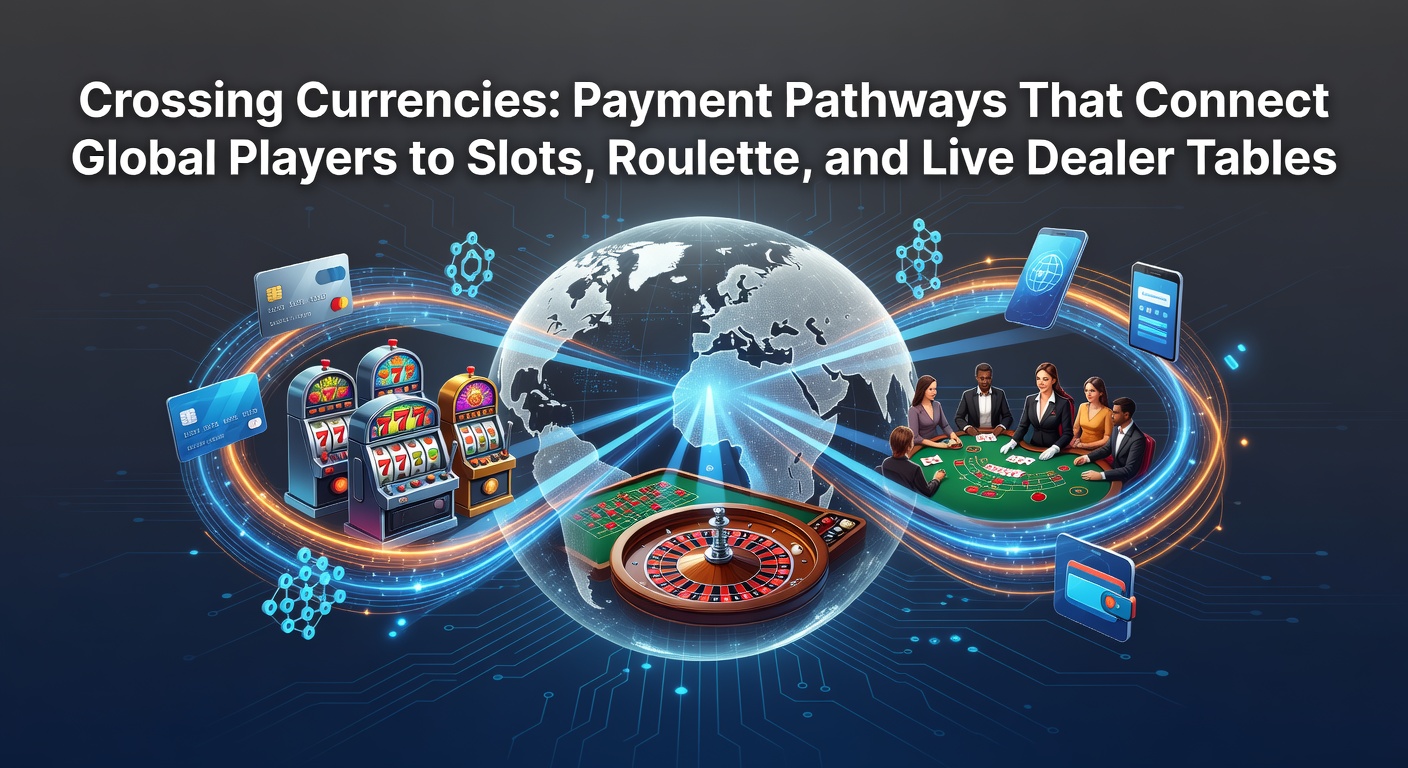
Players from Brazil to Japan now tap into slots spinning vibrant reels, roulette wheels landing on black or red, and live dealers shuffling cards in real-time streams, all thanks to payment systems that seamlessly convert pesos, rupees, and euros into wager-ready funds; data from the Malta Gaming Authority reveals licensed operators processed over 2.5 billion euros in cross-currency transactions last year alone, while figures from H2 Gambling Capital indicate global online casino deposits hit 65 billion dollars in 2025, with 40 percent involving multi-currency conversions.
And what's driving this? Platforms integrate gateways like AstroPay and Jeton, which handle instant fiat-to-fiat swaps without the old headaches of bank delays or exchange fees eating into bankrolls; take one operator where Brazilian players using local bolívamo deposit into USD accounts for US-facing roulette tables, converting at live rates that lock in value before the wheel even turns.
Observers note how these pathways evolved from basic wire transfers in the early 2010s—plagued by five-day waits and 5 percent fees—to today's near-instant options, where a Swedish krona deposit fuels a live blackjack session hosted from Latvia, all while complying with regional rules that demand transparent conversion logs.
Fiat Gateways: From Local Banks to Instant Play
Traditional fiat methods still dominate in regions like Canada and Australia, where Interac e-transfers and POLi payments let players fund accounts in CAD or AUD before bridging to EUR for European live dealer lobbies; research from the European Gaming and Betting Association shows such localized entry points boosted deposit volumes by 28 percent in 2025, since they sidestep international wire costs that once deterred casual spinners.
But here's the thing: these aren't standalone anymore; operators layer on services like Trustly or Klarna, which pull funds directly from bank apps in over 20 currencies, converting on-the-fly so a Japanese yen deposit powers slots with GBP jackpots, and withdrawals mirror the process in reverse, often clearing within hours rather than days.
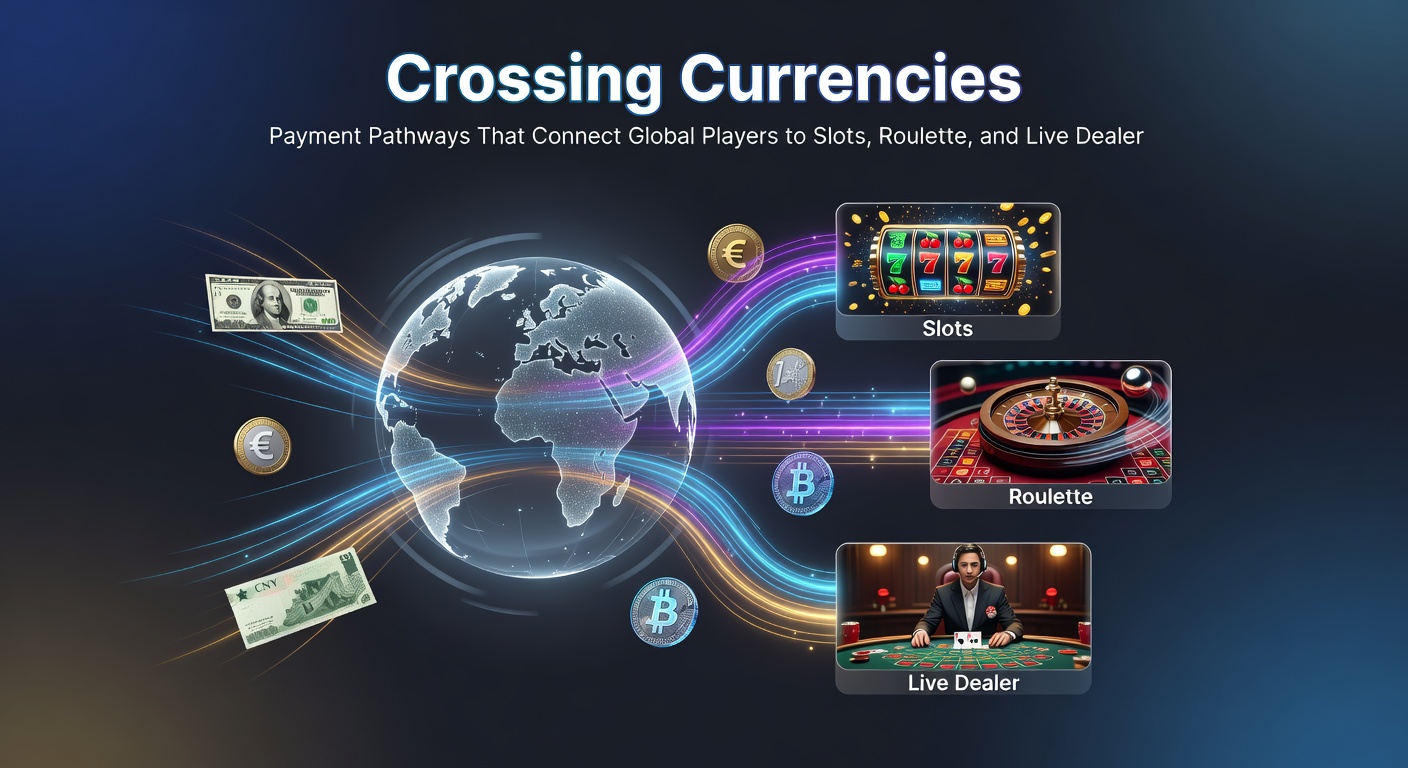
People who've tracked this space point to cases in South Africa, where players use Capitec Pay or SnapScan to enter ZAR, which platforms swap into USD for high-stakes live baccarat streamed from Manila studios; studies from Juniper Research found these open banking integrations cut failed transactions by 35 percent globally, ensuring roulette bets land without currency glitches mid-spin.
Crypto Crossovers: Volatility-Tamed Tokens Fuel Global Tables
Cryptocurrencies take center stage for players dodging fiat restrictions, with Bitcoin and Ethereum enabling direct deposits that operators convert to stable in-game credits for slots or live roulette; data indicates crypto wagering volumes reached 15 billion dollars across licensed sites in 2025, per Blockchain Intelligence Group reports, as networks like Lightning and Polygon slash fees to pennies per transaction.
Turns out stablecoins such as USDT and USDC shine brightest here, maintaining 1:1 pegs during conversions so a European player sending euros via bank swaps into USDT for Asian-facing dealer tables, avoiding the swings that once turned a quick slot session into a crypto rollercoaster; experts who've analyzed operator ledgers observe how sites now offer 1:1 crypto-to-fiat exits, with tools like Cube or Banxa handling the backend alchemy.
So for someone in India funding INR-restricted accounts, a quick tether transfer unlocks VIP live dealer poker from Curacao-licensed studios, where pots build in multiple currencies displayed live on screen; it's noteworthy that April 2026 projections from Statista forecast crypto gaming payments surging 45 percent year-over-year, driven by regulatory nods in places like Ontario under the Alcohol and Gaming Commission of Ontario frameworks.
E-Wallets and Prepaids: The Speed Demons of Multi-Currency Play
E-wallets like Skrill, Neteller, and ecoPayz bridge gaps effortlessly, pre-loading funds in one currency for instant swaps into another, letting Australian players top up AUD wallets then dive into EUR roulette lobbies without conversion pauses; figures from Statista highlight these wallets processed 22 billion dollars in iGaming flows last year, with multi-currency accounts rising 32 percent as operators embed them deeper into cashier pages.
Yet prepaid cards such as Paysafecard and MuchBetter add another layer, vending in local tender like Mexican pesos or Polish zloty, which platforms auto-convert for seamless slot reels or live dealer spins; one study from EY revealed prepaid usage spiked in emerging markets, cutting entry barriers since players preload exactly what they wager, sidestepping overdraft risks during heated blackjack hands.
And in hybrid setups, wallets pair with local options—think MiFinity for Middle Eastern users channeling AED into stablecoins for global tables—creating pathways where a single dashboard manages conversions, bonuses applied post-swap, and withdrawals funneled back in native funds; observers who've mapped transaction flows note approval rates hit 98 percent with these, versus 82 percent for legacy cards.
Regulatory Rails Keeping Conversions on Track
Governments and watchdogs worldwide enforce strict rails on these pathways, mandating real-time exchange disclosures and anti-money laundering scans that verify funds before roulette wheels turn; the Gibraltar Gambling Commissioner, for instance, requires operators to log every currency pivot, ensuring Brazilian reals entering as USDT exit cleanly without hidden spreads.
What's interesting emerges in contrasts: while Nevada's Gaming Control Board oversees US dollar silos for state-approved sites, EU directives under MiCA standardize stablecoin handling across borders, so a Finnish player wagers euros converted via licensed gateways on slots mirroring Vegas action; data from the sector shows compliance tools like KYCnet reduced fraud by 47 percent in cross-currency ops over 2024-2025.
Now, looking ahead to April 2026, Australian regulators via the ACMA plan tighter cross-border monitoring, potentially mandating sub-24-hour fiat conversions for licensed platforms, which could accelerate adoption of unified global wallets; those who've studied enforcement patterns predict this levels the field, letting more players from restricted zones access live dealer thrills through vetted channels.
Challenges and Fixes in the Currency Maze
Not everything flows smoothly though; exchange rate volatility once wiped 2-3 percent off deposits during peaks, but dynamic pricing engines now quote live spreads upfront, locking rates at deposit so slot bonuses calculate accurately post-conversion; case studies from operators in the Philippines show hedging via forwards cut player disputes by 60 percent.
Fees linger as a thorn, yet zero-charge promos proliferate—deposit GBP via Revolut, play live roulette fee-free, withdraw in JPY with matching waivers—while geoblocks force VPN workarounds, though regulators like Estonia's Tax and Customs Board increasingly whitelist pathways for compliant access.
People often discover hidden gems in multi-currency loyalty schemes, where points accrue universally regardless of deposit origin, redeemable across slots, tables, or dealers; it's not rocket science, but aggregating data across wallets reveals average session values climbing 22 percent for hybrid users.
Wrapping the Global Payment Web
These currency-crossing conduits have transformed isolated players into a connected horde, funding endless slots, precise roulette drops, and immersive live dealer showdowns with minimal friction; as April 2026 approaches, enhanced APIs promise even tighter integrations, where voice commands trigger conversions mid-game, and AI flags optimal swap times based on market ticks.
Researchers tracking adoption curves forecast 75 billion dollars in multi-currency iGaming flows by year's end, underscoring how gateways like these don't just connect wallets—they knit the world into one vast, spinning casino floor; operators who master this web keep tables full, wheels turning, and global action unbroken.