Charting Loyalty Pathways: How Payment Flexibility and Tiered Incentives Link Mobile Poker Tournaments to Roulette Variants and Live Sports Markets
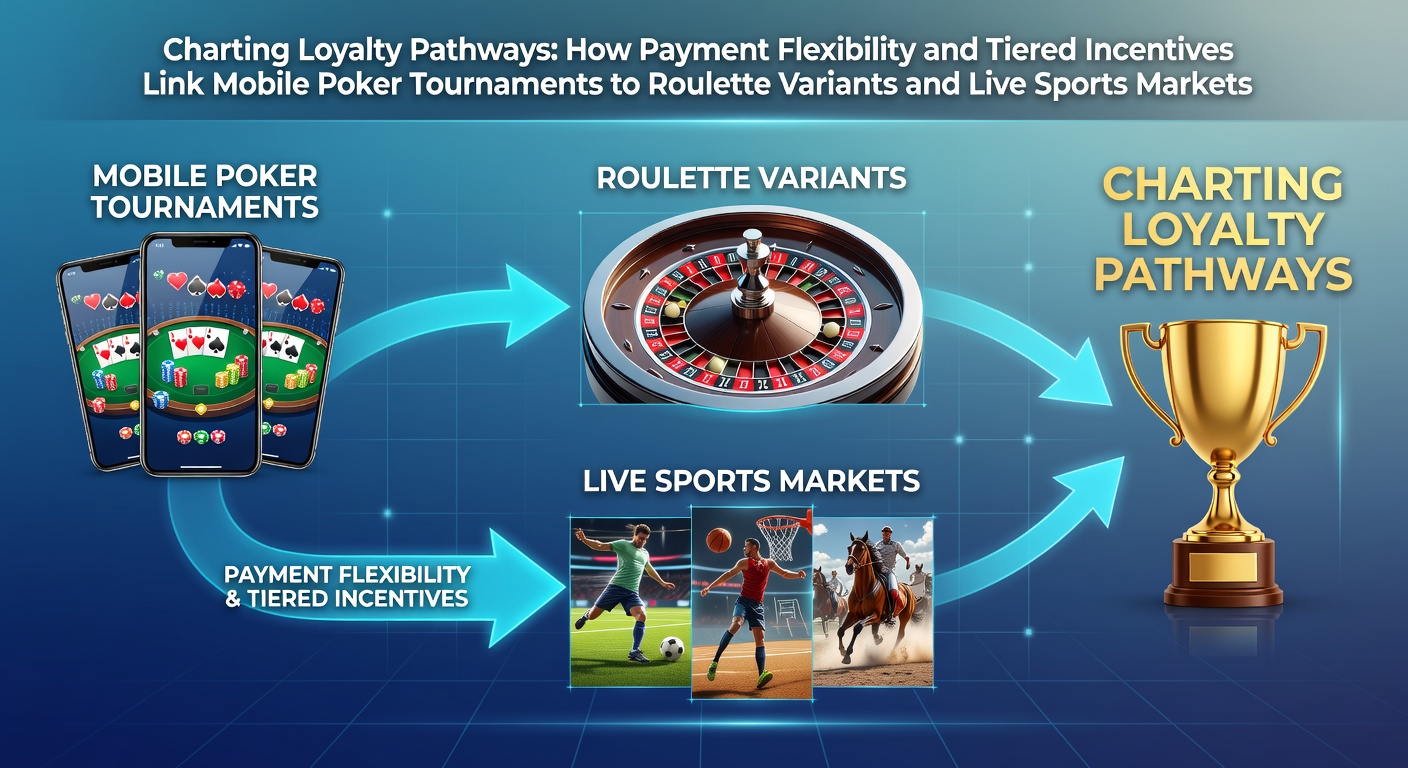
Operators across digital platforms have developed integrated loyalty systems that connect mobile poker tournaments with roulette variants and live sports markets through flexible payment structures and tiered reward mechanisms, and these pathways allow participants to move between game types while accumulating benefits under unified account frameworks.
Payment Flexibility as a Bridge Between Game Categories
Payment systems now support instant transfers between poker bankrolls, roulette sessions, and sports wagers, which means users can deposit once and allocate funds across multiple categories without separate verification steps. Research from the American Gaming Association indicates that platforms offering unified wallets see higher cross-category participation rates compared with those maintaining isolated payment silos. Flexible options such as instant bank transfers, e-wallets, and cryptocurrency conversions reduce friction, and this setup enables tournament players to shift winnings directly into roulette bets or live event stakes.
Tiered incentive programs assign points based on activity volume rather than game type alone, so a player completing a mobile poker tournament receives the same credit toward elite status as someone placing equivalent wagers on roulette variants or sports markets. Data shows these structures encourage sustained engagement across verticals because rewards unlock at progressive levels that apply universally.
Tiered Incentives and Their Role in Player Progression
Loyalty tiers typically begin at entry levels with basic cashback rates and advance through intermediate stages offering enhanced bonus multipliers and priority tournament access. Observers note that higher tiers grant reduced withdrawal times and exclusive roulette variants with higher table limits, while simultaneously providing boosted odds or insurance features on live sports markets. Figures from industry reports reveal that participants reaching mid-tier status within six months demonstrate increased frequency of play across all three categories.
One documented pattern involves poker tournament winners receiving automatic tier advancement that carries over to roulette and sports sections, and this continuity prevents the need to rebuild status in each vertical separately. Payment flexibility complements these tiers by allowing users to fund promotions instantly, which accelerates progression when combined with volume-based point accumulation.
Connecting Mobile Poker Tournaments to Roulette Variants
Mobile poker platforms integrate with roulette offerings through shared loyalty ledgers, where tournament buy-ins convert into roulette-specific bonuses once certain thresholds are met. These linkages appear in promotional calendars that align major poker events with roulette variant launches, and players who participate in both receive compounded rewards. Payment systems facilitate this by permitting direct movement of tournament prizes into roulette accounts without additional fees during promotional windows.
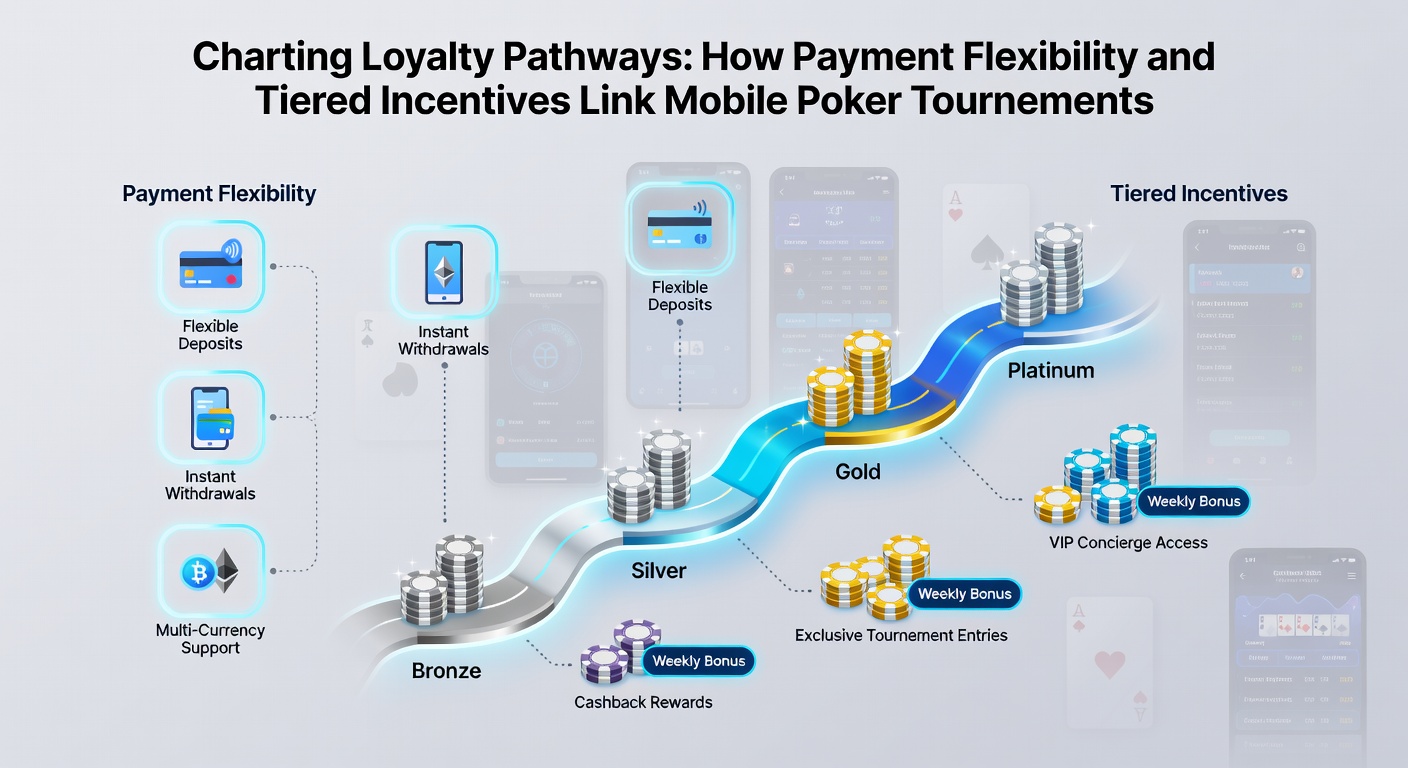
European Gaming and Betting Association analyses from early 2026 highlight that operators introducing these cross-links recorded measurable upticks in roulette engagement among established poker users. Tiered incentives often include milestone rewards such as free spins on roulette variants after completing a set number of poker hands, and flexible payments ensure these rewards activate without delay.
Extending Pathways to Live Sports Markets
Live sports betting integrates into the same loyalty ecosystem through point multipliers awarded during high-profile events, and these multipliers stack with existing tier benefits earned from poker and roulette activity. Users at advanced tiers gain access to enhanced live market features including cash-out flexibility and personalized odds adjustments that apply across football, basketball, and tennis fixtures. Payment structures support rapid in-play deposits, allowing poker-derived funds to enter sports wagers during ongoing matches.
By June 2026 several major platforms had synchronized their seasonal sports promotions with ongoing poker series and roulette challenges, creating unified campaigns where progress in one area advances standing in the others. This approach relies on transparent point tracking visible across all interfaces, which helps users understand how their combined activity influences overall tier status and available incentives.
Operational Mechanisms Supporting These Connections
Backend systems track activity through centralized player accounts that log every wager regardless of category, and this data feeds into algorithms that adjust incentive offers in real time. Payment processors handle multi-currency conversions seamlessly, which proves useful for international users moving between poker tournaments held in different time zones and live sports events scheduled globally. Roulette variants benefit from the same infrastructure because operators can deploy targeted bonuses that draw from accumulated poker points.
Regulatory frameworks in multiple jurisdictions require clear disclosure of how points convert across game types, and platforms that maintain these standards report sustained user retention. Industry organizations continue to monitor these integrated systems as adoption grows, particularly as mobile interfaces become the primary access point for all three categories.
Conclusion
The pathways created by payment flexibility and tiered incentives form interconnected systems that allow participants to engage with mobile poker tournaments, roulette variants, and live sports markets under consistent reward structures. These mechanisms rely on unified tracking and instant financial tools that reduce barriers between categories while maintaining compliance with applicable standards. As platforms refine these connections, the structure supports continued movement of activity and benefits across verticals without requiring separate loyalty journeys.