Digital Membership Tiers Unifying Poker Play, Wheel Games, and Sports Betting Platforms
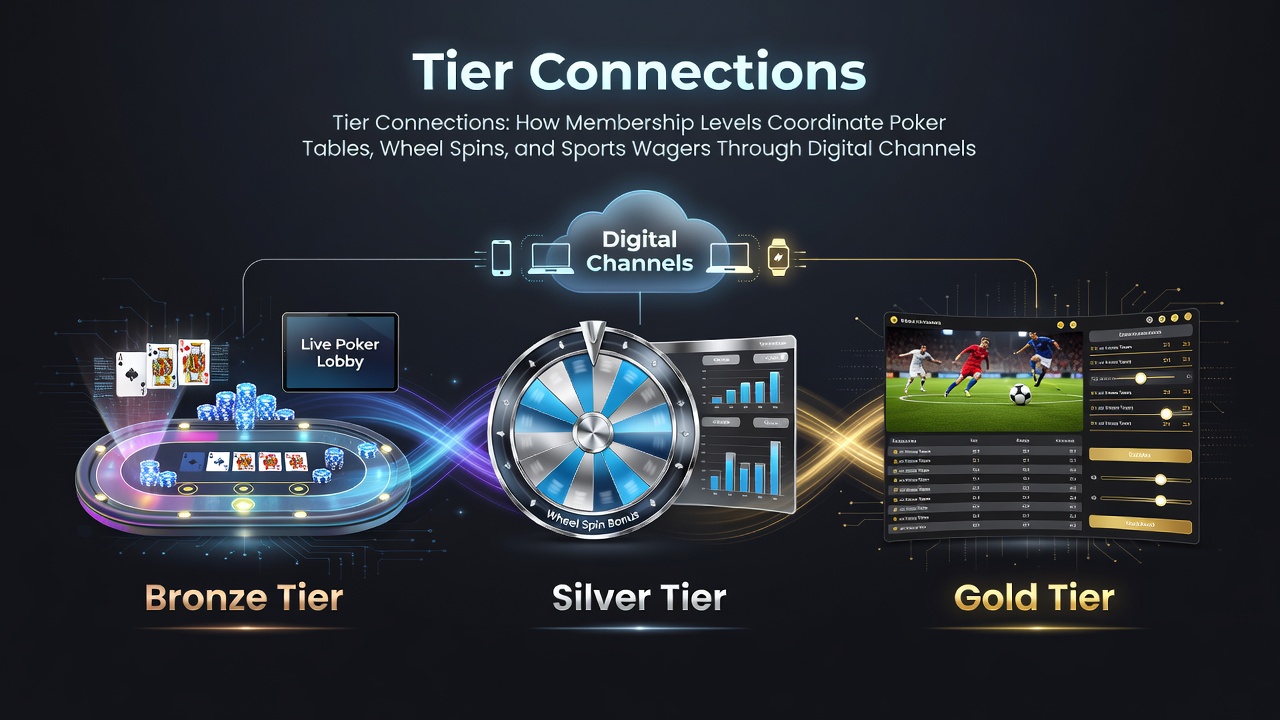
Online gambling platforms have developed tiered membership structures that link player activity across poker tables, wheel-based games, and sports wagering through unified digital systems, and these connections allow participants to accumulate and redeem rewards regardless of the specific vertical they choose at any given moment.
Operators maintain centralized loyalty engines where points earned from poker hand volume convert directly into credits usable on roulette or blackjack wheels, while sports bet settlement amounts feed into the same progressive tier ladder, and data from multiple jurisdictions shows this cross-category tracking has become standard since the expansion of mobile-first platforms in the early 2020s.
How Points Flow Between Game Types
Most tier programs assign base multipliers that differ by activity, yet the digital backend normalizes everything into a single currency, so a player completing a cash-game session at a virtual poker table receives points calculated on rake contributed, and those same points register toward wheel spin bonuses or future sports wager free bets without manual transfers.
Research from the University of Nevada Reno Gaming Innovation Center indicates that integrated systems reduce player friction by 40 percent compared with siloed rewards, and the same report notes that operators who maintain real-time synchronization across verticals see higher retention rates because users do not need to switch accounts or track separate balances.
Role of Mobile Channels in Coordination
Smartphone applications serve as the primary interface where membership status appears as a single dashboard, and live updates reflect poker tournament finishes, slot wheel outcomes, and sports bet results within seconds of settlement, while push notifications alert users when a new tier unlocks privileges that apply equally to table games or wagering markets.
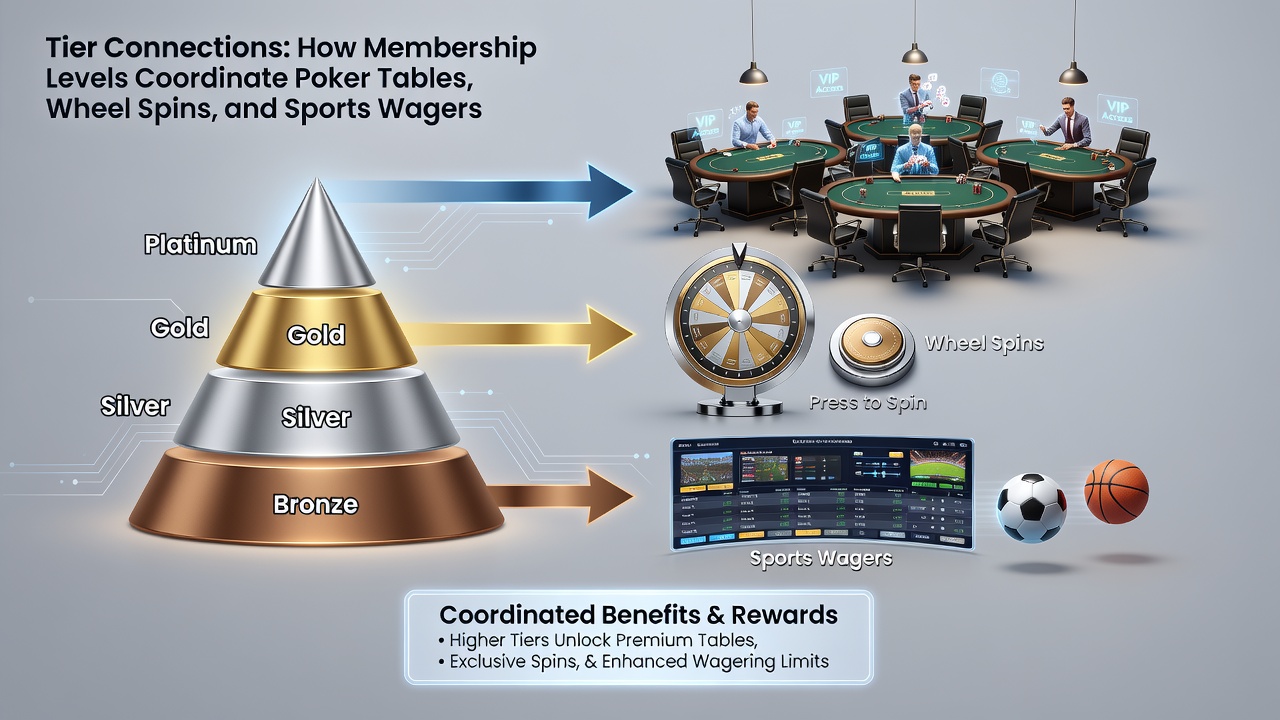
Because the underlying API architecture pulls from a shared database, a user who reaches Gold tier status gains faster withdrawal processing whether the funds originated from a sports parlay or a progressive jackpot wheel, and this uniformity eliminates the need for separate verification steps per product.
Regulatory Context and 2026 Developments
Beginning in June 2026 several North American and Australian licensing bodies will require operators to publish clear cross-product point conversion tables so players understand exactly how activity in one category affects status in others, and these mandates aim to increase transparency without restricting the technical integration that already exists.
The Pennsylvania Gaming Control Board has already published draft guidelines that mirror forthcoming rules in Victoria, Australia, and both agencies emphasize that tier benefits must remain consistent across poker, wheel spins, and sports wagers to prevent misleading marketing claims.
Practical Examples of Tier Coordination
Consider a participant who logs into a multi-vertical platform and places a mid-stakes sports wager on a soccer match, then moves to a video poker session, and finally spins a bonus wheel, and the system records each action against the same loyalty profile so the combined activity accelerates progress toward Platinum status that grants table-side concierge service for live dealer games and enhanced odds on future sports futures.
Operators achieve this synchronization through token-based authentication that follows the user across verticals, and backend ledgers update every few seconds so no manual reconciliation occurs, and industry reports from the Canadian Gaming Association confirm that platforms using single-sign-on report 25 percent higher average session lengths when rewards cross categories seamlessly.
Conclusion
Tier connections in digital gambling environments continue to evolve as operators refine algorithms that balance point accrual rates across poker tables, wheel spins, and sports wagers, and regulatory developments scheduled for 2026 will further standardize disclosure requirements while preserving the technical infrastructure that already links these activities for millions of users worldwide.