Exploring Links Between Instant Mobile Funding, Poker Play Patterns, and Loyalty Tier Advancements
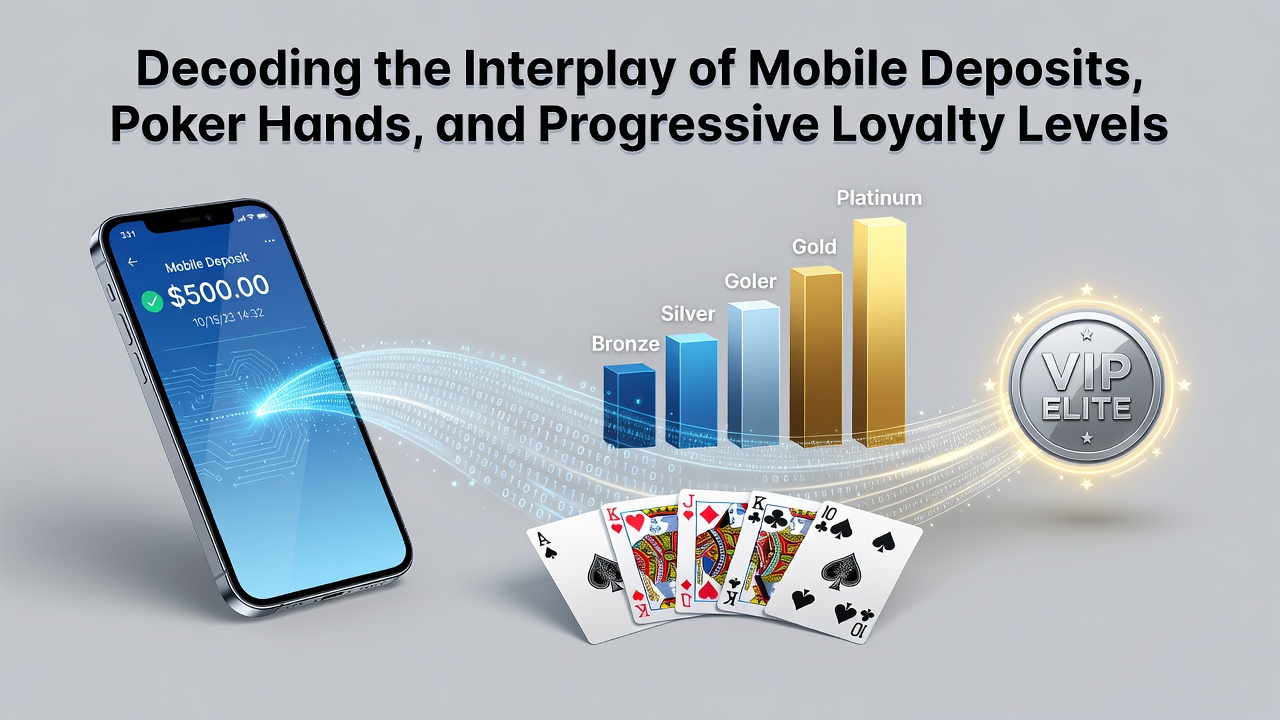
Digital payment systems have reshaped how players fund accounts, execute poker decisions, and climb reward ladders across online platforms, creating measurable connections between transaction speed, hand volume, and tier progression. Operators now integrate deposit tools directly with game clients so that players complete transfers in seconds, resume sessions without interruption, and accumulate the activity points required for higher loyalty brackets.
Mobile Deposit Systems and Their Technical Integration
Modern platforms support instant deposits through digital wallets, bank transfers, and card networks that settle within moments rather than hours. These systems record each transaction timestamp alongside gameplay metrics, allowing loyalty engines to credit points based on both deposit frequency and the subsequent hands played. Data from industry reports indicate that platforms using real-time reconciliation see higher hand volumes per session because players avoid waiting periods that once broke momentum. Researchers at the University of Nevada, Reno have documented how seamless funding correlates with increased session length in multi-table poker environments, where participants maintain bankrolls without exiting to external banking portals.
Poker Hands as Activity Drivers Within Loyalty Frameworks
Poker generates distinct metrics compared with slots or table games because each hand produces traceable decisions, pot sizes, and time stamps that loyalty algorithms weigh when assigning tier credits. Progressive systems typically award points for rake contributed, hands completed, and tournament entries funded through mobile deposits. Observers note that players who deposit via mobile during active sessions tend to enter more hands per hour, thereby accelerating point accumulation toward silver, gold, or platinum levels. A study published by the Canadian Gaming Association found that integrated mobile funding increased average hands played by 18 percent among tracked accounts, directly influencing the speed at which participants reached subsequent loyalty thresholds.
Progressive Loyalty Mechanisms and Deposit Triggers
Loyalty programs operate on tiered structures where benefits unlock after reaching cumulative point targets, often reset monthly or quarterly. Mobile deposits serve as entry points that feed directly into these calculations because many operators convert deposit amounts into bonus points or multiplier credits. For instance, a player depositing during a cash-game session may receive immediate loyalty multipliers that apply to every subsequent hand. Figures released by the American Gaming Association show that programs combining deposit bonuses with hand-based rewards retain participants longer in poker verticals than static point systems alone. Those who studied these patterns report that deposit timing relative to hand volume creates compounding effects: larger or more frequent mobile transfers unlock higher multipliers, which in turn encourage continued play and faster tier advancement.
Interconnected Data Flows Across Platforms
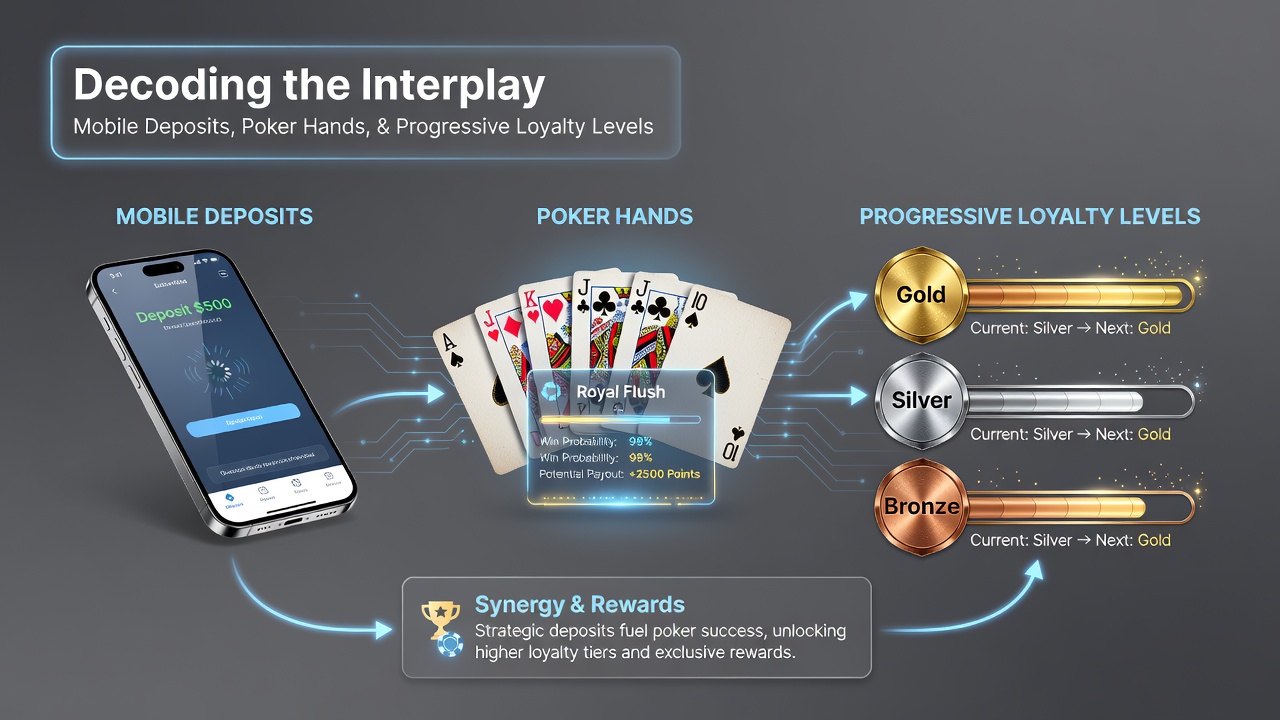
Backend systems now synchronize deposit records, hand histories, and loyalty ledgers in unified databases, enabling operators to adjust reward offers dynamically. When a player completes a mobile deposit and immediately joins a new table, the platform logs the sequence as a single engagement event that contributes to multiple scoring categories. This integration allows loyalty engines to recognize patterns such as deposit-hand clusters that signal higher engagement, prompting automated tier upgrades or personalized incentives. According to findings from the Australian Communications and Media Authority, platforms employing synchronized tracking report more accurate attribution of player value across payment, gameplay, and reward dimensions. The result appears in June 2026 compliance updates, where several jurisdictions began requiring operators to disclose how deposit and hand data jointly determine loyalty eligibility.
Case Examples of System Interactions
Take one operator in the European market that linked mobile wallet deposits to real-time poker hand counters and loyalty dashboards. Players who funded accounts mid-session saw their point counters update within seconds, revealing exactly how many additional hands would push them into the next tier. Another documented instance involves a North American site that introduced deposit-triggered multipliers during weekend tournaments; participants who used the feature recorded higher average hands per tournament and reached loyalty milestones weeks earlier than non-users. These examples illustrate how the three elements operate as linked variables rather than isolated features.
Conclusion
The connections among mobile deposits, poker hand activity, and progressive loyalty levels rest on synchronized data systems that convert transactions and gameplay into tier advancement. Regulatory developments scheduled for June 2026 emphasize transparency around these linkages, requiring clearer reporting on how funding methods influence both play volume and reward eligibility. Industry organizations continue to publish metrics that quantify these relationships, providing operators and analysts with concrete figures on deposit timing, hand frequency, and loyalty progression across diverse markets.