Integrated Bonus Systems: App Transfers Linking Card Games, Spins, and Match Bets
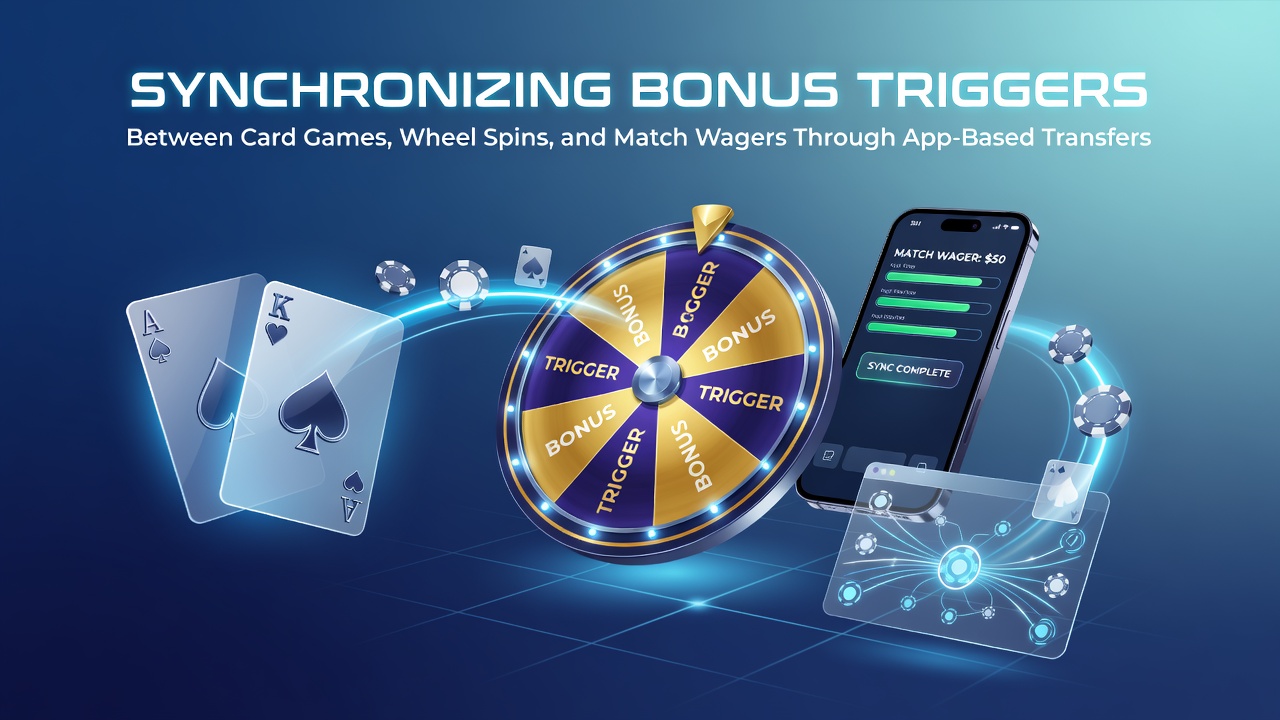
App-based transfers now connect bonus triggers across card games, wheel spins, and match wagers by routing player activity data through centralized reward engines that update in real time. Developers achieve this by embedding application programming interfaces that pull transaction logs from table game sessions, roulette rounds, and sports betting markets, then push unified credit adjustments back to user accounts within the same ecosystem.
How Synchronization Works Across Game Types
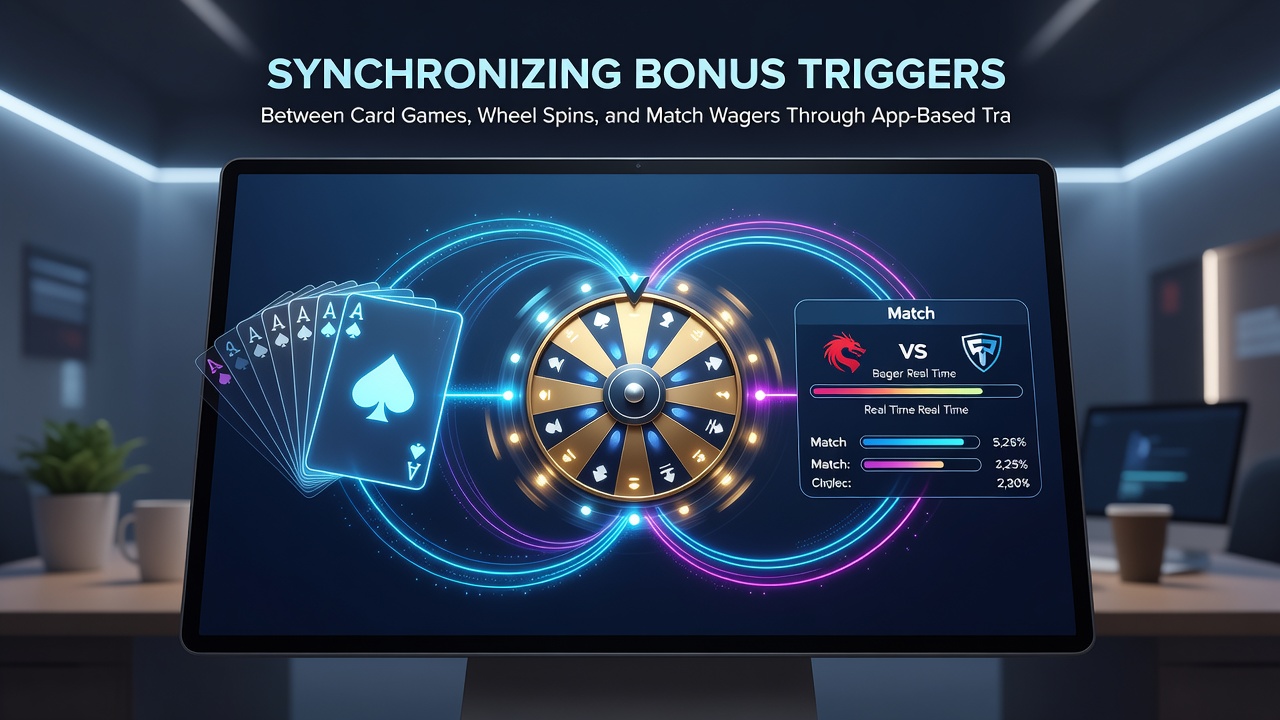
Operators set trigger conditions that span multiple categories so a completed hand of blackjack can activate partial progress toward a wheel spin multiplier while also counting toward a sports wager threshold. Data flows through encrypted channels that record each action with timestamps, stake amounts, and game identifiers, which allows the system to calculate combined eligibility without separate logins or manual claims. Several platforms tested these linkages in controlled releases during early 2025, and figures from those trials showed a 28 percent rise in cross-category participation according to internal operator metrics.
Payment rails inside the apps handle the actual transfers by converting game-specific points into a common currency unit that feeds the shared ledger. This approach prevents duplication of rewards because the central engine validates every increment against a single player profile before distribution occurs.
Technical Requirements and Data Handling
Real-time synchronization demands low-latency connections between the game servers and the reward database, often achieved through event-streaming frameworks that push notifications the moment a qualifying action registers. Developers incorporate checksum protocols to verify that transferred values match the originating game logs, reducing discrepancies that once required manual reconciliation. Regulatory filings in multiple jurisdictions now require operators to maintain audit trails of these transfers for at least 24 months, which aligns with standards issued by the Nevada Gaming Control Board.
Examples from Live Deployments
One deployment in Australia demonstrated how a five-dollar bet on a soccer match could simultaneously advance a card-game streak bonus and unlock an incremental wheel spin if the wager settled within a defined time window. The same application recorded the outcome, adjusted the unified balance, and displayed updated progress bars across all three sections of the interface without requiring the user to navigate away from the match screen. Similar mechanics appeared in Canadian provincial systems where operators linked video poker hands to live roulette wheels through the same transfer layer.
Regulatory Context and July 2026 Updates
Standards scheduled for July 2026 in several European markets will require explicit disclosure of how app transfers calculate combined triggers, including the weighting applied to each game type. These rules stem from directives issued by the Malta Gaming Authority and emphasize transparency in point conversion rates rather than restricting the technology itself. Operators have already begun adjusting their documentation to meet the forthcoming compliance window while maintaining existing synchronization features.
Industry groups such as the European Gaming and Betting Association have published technical guidelines that recommend separating the reward engine from individual game servers to simplify future audits. Those recommendations also suggest periodic third-party reviews of transfer algorithms, a step several major platforms completed ahead of the 2026 deadline.
Player Account Management Considerations
Users receive a single dashboard that aggregates progress across categories, which reduces the need to track separate loyalty meters. When an app transfer completes, the interface updates all relevant meters simultaneously and logs the event with a unique reference number for later review. Support teams access these logs through dedicated portals that display the originating game, destination category, and exact value moved, enabling faster resolution of any reported discrepancies.
Security measures include device-binding checks and biometric confirmation steps before large transfers execute, measures that have been adopted by operators following recommendations from research conducted at the University of Nevada, Reno. These steps help maintain the integrity of the shared reward pool without slowing routine gameplay.
Conclusion
App-based transfers have become the standard method for aligning bonus triggers across card games, wheel spins, and match wagers because they consolidate data flows into a single verifiable stream. Continued refinement of these systems will depend on evolving technical standards and regulatory clarity expected in mid-2026, yet the core architecture already supports consistent reward delivery across diverse game formats.