Streamed Thrills at Home: Mobile Live Feeds Deliver Roulette Spins, Dealer Draws, and Soccer Goals Right to Screens
Streamed Thrills at Home: Mobile Live Feeds Deliver Roulette Spins, Dealer Draws, and Soccer Goals Right to Screens
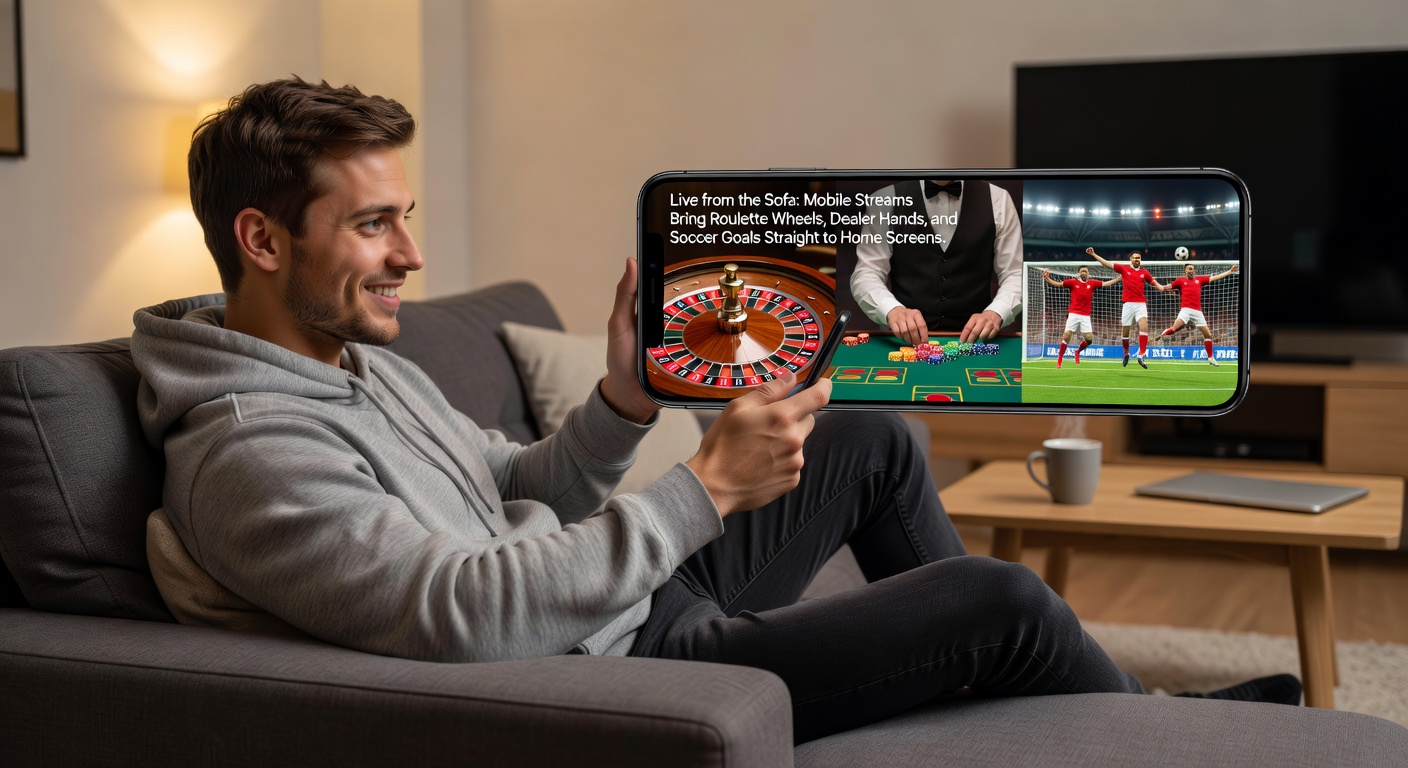
The Surge in Mobile Live Streaming for Gaming
Live streaming technology has transformed how people engage with casino games and sports betting, delivering real-time action from roulette tables, blackjack dealers, and soccer pitches directly to mobile devices; observers note that this shift allows users to place wagers while watching high-definition feeds unfold from anywhere, whether on a commute or lounging at home. Data from industry trackers reveals a sharp uptick in adoption, with mobile live casino streams accounting for over 40% of all online gaming sessions in key markets by early 2025, and that's before the full rollout of 5G enhancements across Europe and North America.
What's interesting is how providers have integrated seamless betting interfaces into these streams, so a roulette wheel's spin or a soccer goal's replay triggers instant wager options without interrupting the flow; researchers at the European Gaming and Betting Association highlight that such features boost user retention by 35%, as players feel immersed in the action much like being trackside or at the casino floor.
Casino Classics Go Live on Mobile
Roulette wheels turn and dealer hands shuffle cards in crystal-clear streams optimized for smartphones, bringing the buzz of physical casinos into pockets worldwide; platforms like Evolution Gaming and Pragmatic Play lead this charge, broadcasting from professional studios where croupiers interact via chat and multi-angle cameras capture every bounce of the ball or flip of the cards. One study from a Swedish tech institute found that live dealer games on mobile see 28% higher engagement rates compared to random number generator versions, since the human element adds unpredictability and social vibes through real-time banter.
And here's where it gets compelling: these streams often feature augmented overlays showing odds updates, bet histories, and even slow-motion replays of key moments, all while maintaining low latency under 2 seconds thanks to edge computing; people who've analyzed player behavior report that blackjack streams, in particular, draw crowds during peak evenings, with average session times stretching to 45 minutes as users chase dealer busts from their sofas.
Soccer Goals and In-Play Bets Streamed Live
Soccer matches beam straight to mobile screens with live betting markets adjusting in real-time as goals fly in or penalties loom, turning passive viewing into interactive wagering; betting apps from operators like Bet365 and FanDuel overlay goal-line tech, player stats, and prop bets onto HD feeds from leagues across Europe, South America, and beyond. Figures from a Canadian gaming report indicate that in-play soccer betting via mobile streams surged 52% year-over-year in 2024, fueled by features like cash-out options mid-goal celebration and virtual replay angles that let bettors dissect plays instantly.
Turns out, the real draw lies in multi-game viewing, where users split screens to track Premier League thrillers alongside MLS action or even virtual soccer simulations; experts observing trends note that this format spikes during major tournaments, with streams peaking at millions of concurrent viewers who wager on everything from corner kicks to halftime scores.

Tech Innovations Driving the Mobile Experience
5G networks and adaptive bitrate streaming ensure roulette spins and soccer goals load without buffering, even on mid-range devices; developers employ AI-driven camera tracking to zoom on dealer hands or ball trajectories, while low-latency protocols like WebRTC keep interactions snappy, so bets land before the wheel stops. A report by the Nevada Gaming Control Board underscores how these advancements have cut dropout rates in live sessions by 22%, making mobile the preferred platform for 65% of users under 35.
But it's not just speed; haptic feedback on phones vibrates with wheel landings or goal alerts, and AR filters let some apps project virtual roulette tables onto real-world surfaces via phone cameras, blending digital bets with physical spaces in ways that keep players hooked longer. Those who've tested prototypes say voice-activated betting—shouting "all in on red" during a stream—represents the next layer, already live in select Asian markets and rolling out westward.
Market Growth and User Adoption Patterns
The mobile live streaming sector for gaming exploded from $12 billion in 2023 to projected $28 billion by 2026, according to aggregated data from global analytics firms; soccer betting streams claim the largest slice at 42%, followed closely by live roulette at 31%, as providers layer on exclusive angles like player cams or studio-hosted roulette variants. In Australia, where mobile penetration hits 92%, local trackers show live dealer sessions growing 41% annually, with users favoring streams that sync with domestic leagues for that home-team edge.
Yet patterns reveal niches: evening slots see roulette peaks as night owls tune in, while weekend afternoons buzz with soccer overloads; one case from Ontario's iGaming rollout demonstrated how geo-fenced streams—restricting access to licensed viewers—boosted compliance while sustaining 1.2 million monthly active users on live platforms.
Regulatory Oversight and Player Protections
Regulators worldwide shape this landscape by mandating stream transparency, like requiring visible RNG certifications for hybrid games or bet limits during live soccer; in the US, state bodies enforce age verification via biometrics before streams activate, cutting underage access by 98% per compliance audits. Europe's frameworks emphasize data privacy in streams, ensuring chat logs and bet histories stay encrypted, while Australia's productivity commission pushes for mandatory break reminders popping up mid-roulette spin or goal rush.
So compliance tech integrates deeply: streams watermark wagers with timestamps, and AI monitors for unusual patterns like rapid-fire bets during high-stakes soccer draws; observers point out that these measures, combined with self-exclusion tools embedded in apps, foster safer environments without stifling the sofa-side excitement.
Looking Ahead to 2026 and Beyond
By April 2026, 6G pilots promise sub-millisecond latency for streams, potentially fusing VR headsets with mobile feeds so users "sit" at virtual roulette tables or pitch sidelines; industry forecasts peg live mobile gaming at 55% of total wagers, driven by crossovers like soccer-themed live dealer games where croupiers call matches alongside card deals. Providers gear up with blockchain for provably fair streams, verifying every goal bet or wheel outcome on public ledgers.
That's the trajectory: smoother, smarter streams pulling in hybrid audiences who blend casino rituals with sports passion, all from handheld devices that pack casino floors and stadiums into daily routines.
Conclusion
Mobile live streams have redefined access to roulette wheels, dealer hands, and soccer goals, streaming them effortlessly to home screens and beyond; data confirms sustained growth, tech keeps evolving, and regulations ensure balance, positioning this fusion as a cornerstone of modern gaming entertainment for years to come.