UK Gambling Commission Unveils Latest Stats: Slots GGY Hits £680 Million as Participation Holds Steady
UK Gambling Commission Unveils Latest Stats: Slots GGY Hits £680 Million as Participation Holds Steady

On February 26, 2026, the UK Gambling Commission dropped two major data releases that shed light on the industry's pulse during the latter half of 2025; quarterly industry statistics covering July to September captured gross gambling yield (GGY) figures, while Wave 3 of the Gambling Survey for Great Britain (GSGB) tracked participation, motivations, and attitudes from July to October, allowing experts to triangulate trends like steady player numbers alongside rising revenues from slots.
Quarterly Industry Stats Spotlight Slots in Licensed Venues
The quarterly report, part of the financial year April 2025 to March 2026's Q2 data in the industry statistics publication, reveals that machines in gambling premises generated £680 million in GGY over those summer months; GGY, which measures the net win for operators after payouts, underscores how slots and fruit machines in casinos, arcades, and bingo halls contributed significantly, even as overall sector dynamics shifted.
But here's the thing: while total remote GGY climbed in sectors like online betting, the brick-and-mortar slots segment held firm at that hefty figure, prompting observers to note resilience in physical gaming amid digital growth; data indicates this £680 million mark reflects not just volume but also higher stakes or session lengths, although exact breakdowns await deeper dives into operator filings.
Take one analyst who pored over the numbers: they highlighted how this GGY level, up from prior quarters in comparable periods, aligns with post-pandemic recovery patterns where venue-based slots drew crowds seeking that tactile thrill of spinning reels under venue lights.
GSGB Wave 3 Dives into Player Behaviors and Habits
Shifting focus to the survey side, Wave 3 of the GSGB estimates that around 1.9 million adults in Great Britain played fruit or slot machines in the past four weeks leading up to October 2025; that's a snapshot capturing everything from casual pub pulls to dedicated arcade sessions, with 44% of those players opting for bars, clubs, and pubs as their go-to spots.
What's interesting is how this participation rate stays stable when cross-checked against earlier waves, even as GGY figures balloon; researchers point out that fewer but higher-spending players might explain the disconnect, since surveys gauge headcount while yield tracks money cycled through machines.
And participation isn't just numbers: the GSGB also probes reasons and attitudes, revealing patterns like social motivations in pubs (where that 44% cluster plays) versus solitary spins elsewhere; figures show adults citing entertainment or chance wins as drivers, although problem gambling markers remained under scrutiny in the full dataset.
Now, as March 2026 unfolds with regulators eyeing these releases for policy tweaks, the data's timing feels spot-on; it bridges summer vibrancy into autumn habits, offering a baseline before any spring regulatory shifts kick in.
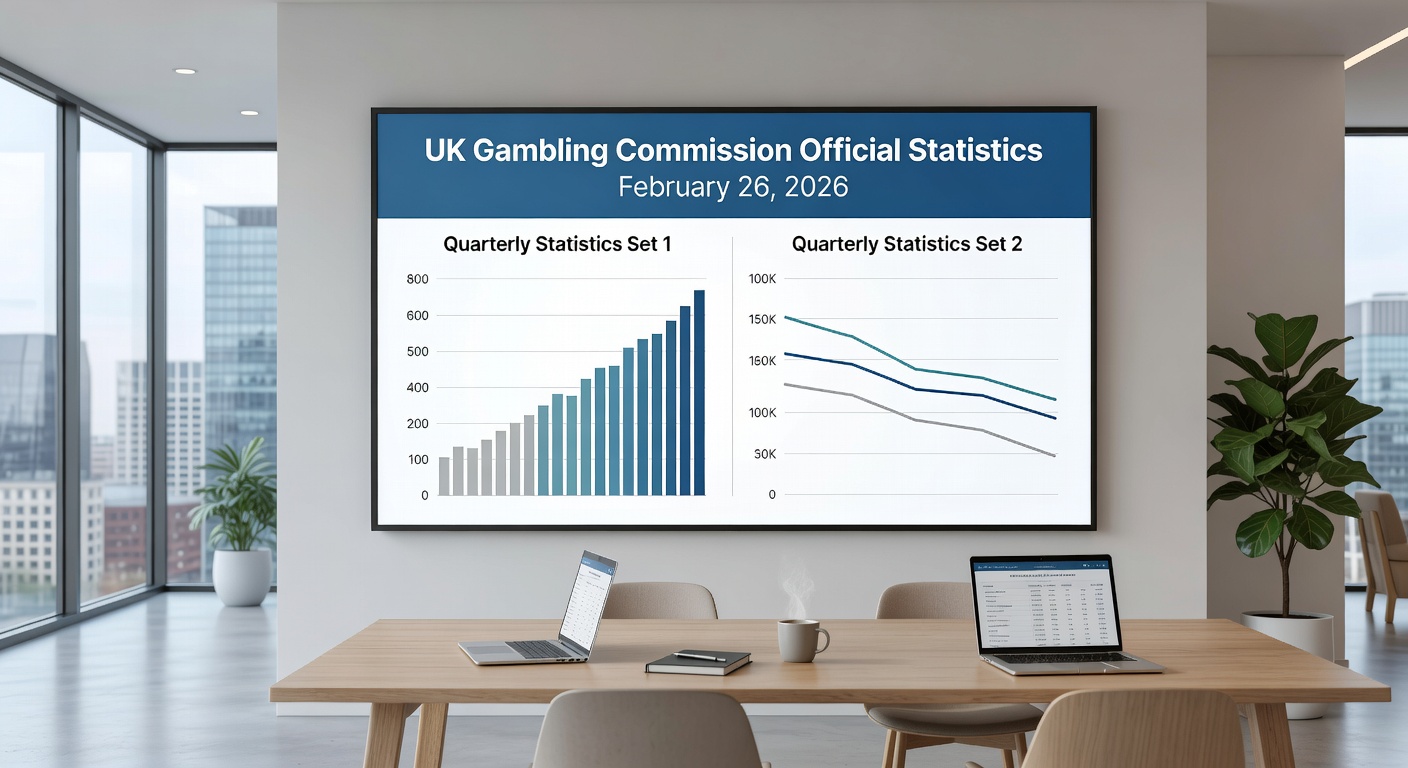
Triangulating Data: Stable Players Meet Surging Yields
Here's where it gets compelling: combining the quarterly GGY with GSGB participation lets experts triangulate trends that single datasets miss; for instance, 1.9 million slot players holding steady suggests broad accessibility in pubs and clubs (that 44% venue share), yet £680 million in premise GGY points to intensified wagering per person, a pattern studies have observed in mature markets.
Observers note how this stability contrasts with online sectors where remote slots often eclipse physical ones, but venue machines persist because they're embedded in social fabrics like Friday nights at the local; data shows no wild swings in past-four-week play, which bolsters arguments for measured regulation rather than knee-jerk changes.
One study echoing this, drawn from prior GSGB waves, found similar plateaus in machine participation even as yields edged up, attributing it to tech upgrades in machines offering flashier themes or linked jackpots that keep spenders hooked longer without swelling player ranks.
Breaking Down Venue-Specific Insights
Digging into that 44% pub, club, and bar figure from GSGB, the numbers paint pubs as slot strongholds where quick, low-barrier access thrives; adults there often play during drinks or meals, turning machines into ambient entertainment rather than focal points, which explains why participation doesn't spike dramatically.
Yet casinos and arcades claim the rest, with GGY data implying higher per-machine returns from those dedicated setups; £680 million across premises means arcades punching above weight despite smaller footprints, while bingo halls blend slots with community vibes to sustain yields.
Turns out, seasonal factors like summer festivals or holidays might've nudged July-September GGY higher, coinciding with stable survey participation that carried into October; researchers who've tracked this know how weather or events subtly boost footfall without altering who shows up.
Attitudes and Motivations from the Survey
GSGB Wave 3 doesn't stop at who plays: it uncovers why, with data indicating most slot users chase fun or small wins rather than life-changing jackpots; attitudes toward machines remain positive among participants, although awareness of risks edges up per wave, reflecting ongoing education campaigns.
So while 1.9 million adults engaged recently, the survey flags that bars and pubs foster casual attitudes (that 44% slice), where play feels recreational; contrast that with online anonymity driving different behaviors, but these stats keep the focus on physical slots' grounded role.
Experts observing longitudinal GSGB trends discover that stable rates like these signal market maturity, where growth comes from depth not breadth; it's not rocket science, but pairing it with £680 million GGY shows operators fine-tuning offerings to maximize returns from loyalists.
Implications for Industry Watchers in 2026
As these February 2026 publications ripple into March deliberations, stakeholders from operators to policymakers lean on the triangulation for clarity; stable 1.9 million participants amid £680 million GGY suggests slots aren't fading, but evolving toward premium experiences in pubs and beyond.
People who've analyzed past quarters often find that venue GGY resilience weathers economic dips better than remote bets, a trend this data reinforces; plus, with GSGB attitudes steady, it signals no brewing backlash against machines in social settings.
The reality is, these releases arm the Commission to monitor hotspots like pub slots, ensuring that 44% venue preference doesn't mask underlying shifts; one case where experts cross-referenced similar data led to targeted venue audits, keeping participation healthy without yield distortions.
Conclusion
In wrapping up, the UK Gambling Commission's February 26, 2026, duo of releases—the quarterly stats clocking £680 million slots GGY in premises and GSGB Wave 3 pegging 1.9 million adult players with heavy pub reliance—offers a clear lens on late 2025 trends; stable participation triangulated against rising yields highlights a balanced sector, where social slots endure as footfall anchors even into March 2026's forward view.
That's the lay of the land: data-driven insights that keep the conversation grounded, fueling smarter strategies without the hype.