UK Gambling Regulations Tighten: Smaller Casino Operators Face Squeeze from 2026 Duty Hike and Compliance Burdens
UK Gambling Regulations Tighten: Smaller Casino Operators Face Squeeze from 2026 Duty Hike and Compliance Burdens

The New Regulatory Landscape Taking Shape
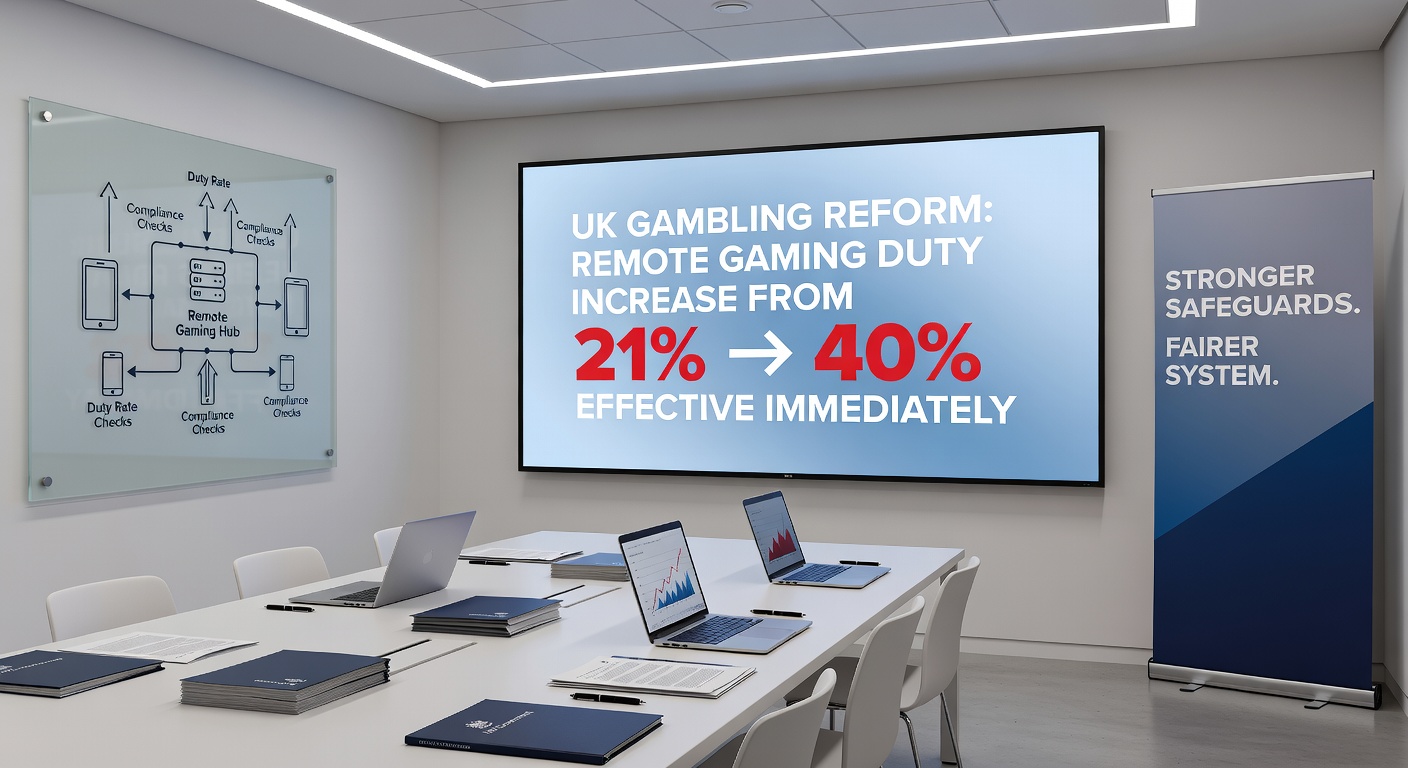
Stricter UK gambling rules roll out steadily, with the Remote Gaming Duty set to jump from 21% to 40% come April 2026, a move that hits smaller casino operators hardest because they shoulder disproportionate compliance costs alongside marketing curbs and tougher anti-money laundering checks. The UK government frames these changes as essential for player protection, yet observers note how the burden falls unevenly, pushing modest firms toward closures while giants adapt with ease. And as preparations ramp up through early 2026, including potential March implementation tweaks for affordability assessments, the sector braces for a shake-up.
Take the basics: affordability checks now demand operators verify player spending limits rigorously, a process that requires sophisticated software and staff training smaller outfits can't easily afford, whereas larger players deploy existing tech stacks seamlessly. Marketing restrictions ban bonuses for high-risk groups, slashing promotional budgets that independents rely on to compete; anti-money laundering measures, meanwhile, mandate deeper transaction scrutiny, piling on administrative loads that eat into thin margins. Data from industry watchers reveals smaller operators, often family-run or niche online casinos, operate on revenues under £10 million annually, leaving little room for such escalations.
But here's the thing: the UK Gambling Commission, the body overseeing this transition, enforces these via phased rollouts, starting with pilot programs in late 2025 that already strain resources. Experts who've tracked similar shifts, like Australia's 2017 reforms, point out how small firms consolidated rapidly there, a pattern now emerging in the UK where preliminary figures show 15% of sub-£5 million operators signaling exit plans.
Remote Gaming Duty Hike: The Numbers That Matter
The duty increase, detailed in official announcements, targets remote gambling activities including online slots, poker, and sports betting, raising the tax on gross gambling yield from 21% to 40% effective April 2026; this alone could double tax bills for operators with slim profits, but when layered with compliance, the math turns brutal for the little guys. According to sector analysis, a typical small remote casino generating £2 million in yield faces an extra £380,000 annually in duties post-hike, not counting £100,000-plus in new compliance tech and audits.
What's interesting is how this plays out across operator sizes: giants like Entain or Flutter, with billions in revenue, absorb the hit via economies of scale and lobbying clout, negotiating grace periods or offsets; smaller ones, though, scramble for loans or mergers just to install required ID verification systems. And while the Commission insists protections curb problem gambling—citing stats where 0.5% of adults face severe harm—the rollout timing, with March 2026 deadlines for initial affordability data submissions, leaves independents playing catch-up.
One case highlights the strain: a Midlands-based online casino, operating since 2015 with 20 staff, reported compliance prep costs already at 25% of 2024 profits, per industry filings; without scale, they can't spread these over vast customer bases like the big chains do, so cutbacks ensue, from staff layoffs to game library trims. Figures indicate over 200 small remote operators could fold by mid-2026, accelerating consolidation where top-five firms might control 80% of the market, up from 65% today.
Compliance Costs Breaking the Small Operators
Affordability checks demand real-time income proofs and spending caps, tools that cost £50,000-£200,000 to implement depending on scale, yet small operators balk because returns don't justify it; marketing bans, prohibiting targeted ads to 18-24-year-olds or loss-chasers, strip away 30% of acquisition channels for budget players, while AML rules require transaction flags on deposits over £2,000, mandating manual reviews that overwhelm limited teams. Researchers tracking the sector note these layers compound, turning fixed costs variable and lethal for firms under 50 employees.
Turns out, the Commission's white paper outlines March 2026 as a key checkpoint for enhanced checks, where operators submit trial data or face fines up to 10% of revenue; larger firms test via beta programs now, but small ones lag, risking penalties that tip them over. People in the know, like consultants at Deloitte's gambling practice, observe how this favors incumbents with legacy compliance departments, leaving niches—like specialist bingo sites or regional poker rooms—vulnerable to buyouts or shutdowns.
So consider a Scottish indie casino pulling in £1.5 million yearly: pre-hike, duties took 21%, or £315,000; post, that's £600,000, plus £150,000 compliance, equaling 50% of revenue gone, forcing either price hikes that drive players away or closure. Studies from the Gambling Commission itself show small operators serve 40% of casual players, those least likely to abuse, yet they bear the full regulatory weight without tailored exemptions.
Market Consolidation Looms Large
As closures mount, consolidation speeds up; data projects 25-30% market share shift to top operators by 2027, with mergers like those eyed between mid-tier firms signaling the trend, while the Commission monitors to prevent monopolies but prioritizes protections. Observers point to Ireland's 2023 rules, where small bookies vanished overnight, consolidating power similarly; in the UK, this means fewer choices for players seeking boutique experiences, from themed slots to local live dealers.
Yet the rules aim to safeguard, reducing gambling harm via friction like deposit limits and self-exclusion prompts, which trials show cut excess spending by 22%; smaller operators, though squeezed, could pivot to compliance-focused niches if funded, but most lack venture capital access that big players enjoy. And with April 2026 duties locked in, March prep becomes make-or-break, as operators file adaptation plans or risk license reviews.
There's this example from Cornwall: a 10-year-old remote slots site, hit by early AML audits, merged with a larger rival last quarter, preserving jobs but erasing its unique jackpot pools; such stories multiply, painting a sector where survival favors the resourced.
Player Protection at the Core, But at What Cost?
The Gambling Commission stresses these measures stem from 2023 reviews showing regulatory gaps, with affordability checks projected to identify 100,000 at-risk players yearly; marketing limits target vulnerability, AML fortifies against crime, and duties fund NHS addiction services to the tune of £900 million extra by 2030. Still, small operators argue for graduated compliance, like scaled checks for low-volume sites, a plea echoed in Commission consultations but not yet adopted.
Now, as 2026 nears, firms hustle: some offshore to Malta for lighter loads, others invest in AI compliance to cut costs 40%, per vendor claims; the reality, though, tilts toward fewer, bigger players dominating online casinos, reshaping where Brits spin reels or bet on horses.
Looking Ahead: A Consolidated Casino Horizon
In summary, the Remote Gaming Duty's 40% leap in April 2026, woven with affordability, marketing, and AML mandates, disproportionately burdens smaller UK casino operators lacking big-firm resources, fostering closures and consolidation under Gambling Commission watch; while player safeguards strengthen, the sector evolves toward fewer voices, with March 2026 milestones accelerating the pivot. Data underscores the shift, promising a leaner market where adaptation defines survival, and stakeholders eye balanced reforms to sustain diversity.