Unpacking Tiered Loyalty Designs That Fuse Mobile Apps With Access Ranks in Casino Card Areas and Betting Markets

Systems that stack incentives across mobile platforms and graded entry privileges continue to shape how players engage with card tables and sports wagers, with operators building structures that reward consistent activity through progressive benefits. These frameworks operate by linking smartphone applications directly to backend databases that track play volume, which then unlocks higher access tiers for live dealer tables and event betting markets. Data from industry reports shows participation rates holding steady in regions where such integrations appear most refined, while operators adjust parameters based on transaction patterns observed through 2025 into mid-2026.
Core Components of Layered Incentive Structures
Layered systems typically organize rewards into multiple strata where base-level users receive standard deposit matches and basic game access, whereas mid-tier participants gain reduced rake percentages on poker tables along with early line availability for major sporting events. Higher strata often incorporate expedited seating at card tables and personalized odds adjustments on select wagers, all driven by algorithms that calculate lifetime value from handheld session data. Observers note that these hierarchies rely on real-time synchronization between app interfaces and venue management software, which prevents unauthorized jumps between tiers and maintains compliance records across jurisdictions.
Research indicates the technical backbone involves API connections that pull data from mobile wallets and betting histories, then feed that information into tier-assignment engines. One study from a North American gaming research center revealed that operators using such linked architectures recorded a 14 percent increase in table game retention compared with venues relying on static loyalty cards. The same analysis highlighted how event wager participants who advanced through mobile-tracked tiers placed 22 percent more bets per session on average during peak months.
Mobile Interfaces as Gateways to Tier Progression
Handheld applications serve as the primary touchpoint where users monitor their current standing, claim incremental rewards, and request upgrades that affect physical table access. Features commonly include progress bars that display points needed for the next rank, push notifications about flash tournaments at card pits, and direct links to sportsbooks that adjust based on tier status. Integration allows a player who accumulates sufficient activity on slots to receive an invitation code that grants priority entry to high-limit blackjack rooms without additional paperwork.
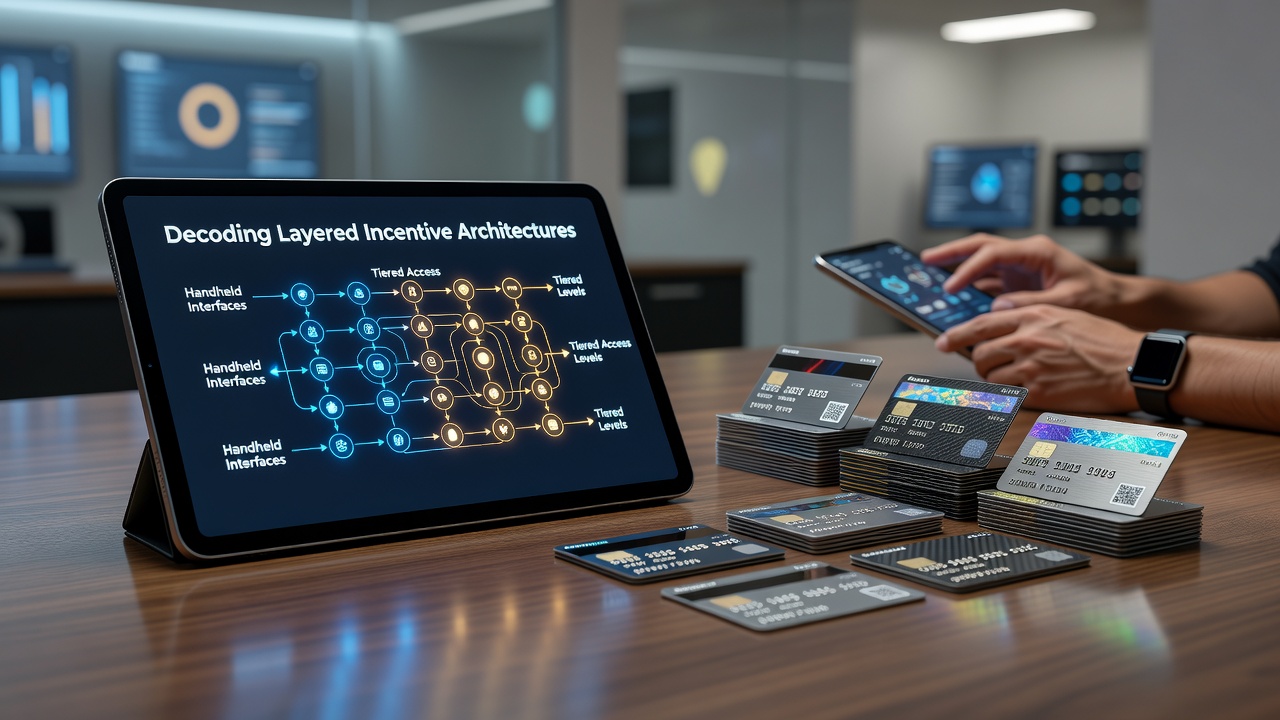
According to figures compiled by the American Gaming Association, mobile-driven loyalty programs accounted for over 60 percent of all tier advancements reported by member properties in 2025. Those figures reveal that users who interact with tier dashboards at least three times weekly advance faster than those who rely solely on in-person requests. What's interesting is how these interfaces also incorporate geo-fencing that confirms a player sits at an approved table before crediting bonus points, which reduces disputes and streamlines audit trails.
Application to Card Tables and Event Wagers
In card areas, tiered access manifests through reserved seating blocks, waived minimums during certain hours, and dedicated pit bosses who track play for higher-ranked patrons. Mobile confirmation codes replace traditional comp cards, allowing seamless movement from a sports betting kiosk to a nearby poker table without re-verification. Event wager benefits often include enhanced parlay multipliers, cash-out options unavailable to lower tiers, and invitations to exclusive prop bet pools that activate only after mobile authentication reaches a set threshold.
Canadian regulatory summaries released in early 2026 noted that provinces permitting integrated mobile-table systems saw a measurable uptick in cross-product play, where sports bettors moved into card games after reaching mid-tier status. Similar patterns appear in Australian market data, where operators reported that layered incentives reduced player churn by linking handheld progress directly to live dealer privileges. These connections create feedback loops in which table activity boosts sports wager limits, and vice versa, all processed through unified player accounts.
Operational Adjustments Around July 2026
Beginning July 2026 several North American properties plan to roll out updated tier engines that incorporate machine-learning models trained on two years of mobile interaction logs. These models predict when a user approaches a tier boundary and automatically surface relevant table or wager opportunities through the app. Industry groups expect the change will standardize how access ranks translate across different game types, reducing regional variations that currently complicate multi-state operators.
One documented pilot at a Midwest casino group showed that predictive tier alerts increased card table occupancy during traditionally slow afternoon slots by directing mobile users toward available seats. The same trial recorded higher average handle on sports wagers because upgraded users received priority on same-game parlay construction tools previously limited to top strata.
Conclusion
Layered incentive architectures continue to evolve as operators refine the connections between handheld interfaces and tiered privileges in both card environments and event wagering markets. Evidence from multiple regulatory regions and trade associations demonstrates measurable effects on retention and cross-product engagement, while technical integrations maintain the integrity of access controls. As July 2026 approaches, further refinements in predictive modeling and real-time synchronization appear likely to shape the next phase of these systems across diverse jurisdictions.